Blog
Halloween is all about costumes, spooky surprises, and bags full of candy. But while those sweet treats make October more exciting, some can be particularly tough on your teeth. Sticky caramels, sour gummies, and hard candies can increase the risk of tooth decay, enamel damage, and dental emergencies if you're not careful. The good news? You don't have to skip Halloween treats altogether. Knowing which Halloween candies are hardest on your teeth can help you make smarter choices and enjoy the festivities while protecting your family's oral health. Which Halloween Candies Are Worst for Your Teeth? Not all candies affect your teeth in the same way. Some cling to tooth surfaces, while others expose your enamel to sugar or acid for longer periods. 1. Sticky Candies and Caramels: Caramels, toffee, gummy bears, and chewy candies are among the toughest Halloween treats for your teeth. Their sticky texture allows them to cling to teeth and settle into small grooves, making them harder for saliva to wash away. When oral bacteria feed on the sugars left behind, they produce acids that weaken enamel and contribute to cavities. Dental tip: Choose treats that dissolve more quickly rather than those that stick to your teeth, and brush thoroughly with fluoride toothpaste. 2. Hard Candies and Lollipops: Hard candies may seem harmless because they aren't chewy, but they present two problems. Slowly sucking on them exposes teeth to sugar for an extended period, while biting down on a hard candy can chip or crack a tooth. Dental tip: Let hard candies dissolve instead of chewing them. Better yet, choose a less sugary alternative to reduce the risk of damage. 3. Sour Candies: Sour gummies and sour hard candies often contain acids that give them their tangy flavour. These acids can soften tooth enamel, making teeth more vulnerable to erosion. Combined with sugar, frequent consumption can increase the risk of dental problems. Dental tip: After eating sour candy, rinse your mouth with water. Avoid brushing immediately; wait about 30-60 minutes to give softened enamel time to recover. 4. Chocolate with Sticky or Crunchy Fillings: Chocolate is generally a less troublesome option than sticky or hard candy because it tends to melt and clear from the mouth more easily. However, chocolate filled with caramel, toffee, or other sticky ingredients can leave sugary residue behind. Very hard or crunchy additions can also pose a risk to teeth, particularly if you bite down forcefully. Dental tip: If you're choosing Halloween chocolate, plain chocolate is generally a better option than sticky, chewy varieties. How to Enjoy Halloween Candy Without Damaging Your Teeth? You can still enjoy your favourite Halloween treats while reducing the risk of cavities. Follow these simple Halloween dental care tips: Enjoy candy with meals: Increased saliva during meals helps wash away food particles and neutralize acids. Drink water afterward: Rinsing with water helps clear some remaining sugar and acids. Brush twice daily: Use fluoride toothpaste and clean between your teeth daily. Wait before brushing after sour candy: Rinse with water and wait around 30-60 minutes before brushing after acidic treats. Keep portions reasonable: Choose your favourite sweets instead of grazing on candy throughout the day. When Should You Visit a Dentist After Halloween? If you experience tooth sensitivity, persistent toothache, a chipped tooth, or discomfort when biting, don't ignore it. A dental examination can help identify the cause and determine whether treatment is needed. Regular checkups and professional cleanings also help detect potential problems early and support long-term oral health. At Dentistry @ Erin Mills, patients can explore preventive dental care and oral hygiene services to help maintain healthy teeth and gums. If Halloween candy has left you with discomfort or you're due for a checkup, contact our dental team in Mississauga to schedule an appointment and keep your smile healthy beyond spooky season.
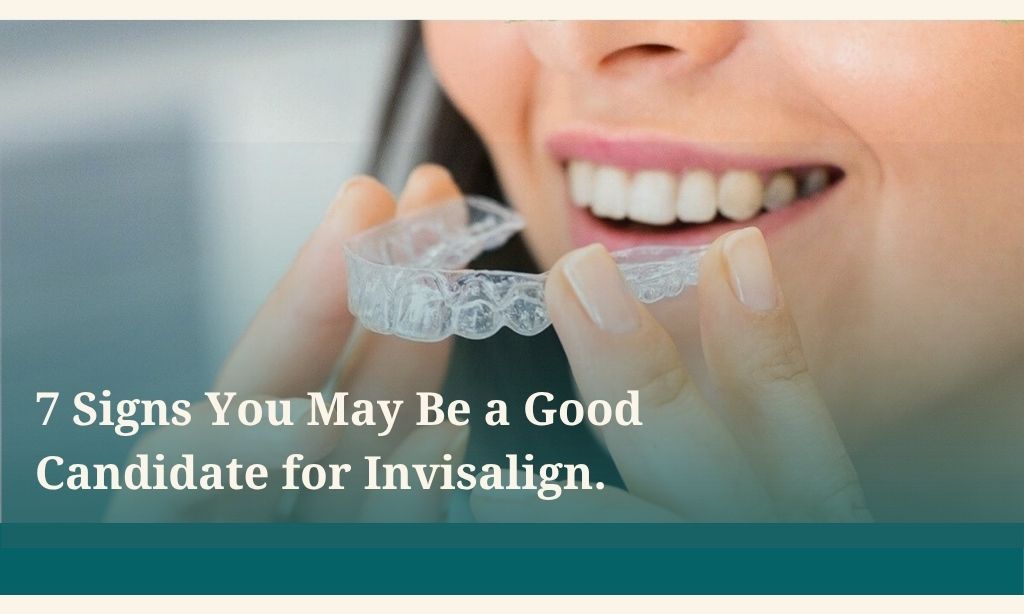
Want a straighter smile but don’t love the idea of traditional metal braces? You’re not alone. Invisalign clear aligners have become a popular orthodontic option for teens and adults who want to improve their smile without making braces the centre of attention. Invisalign uses a series of clear, removable aligners to gradually move teeth into a more desirable position. But is Invisalign right for everyone? The answer depends on your teeth, oral health, treatment goals, and commitment to wearing your aligners consistently. Here are 7 signs you may be a good candidate for Invisalign. 1. Your Teeth Are Crowded or Overlapping: Crowded teeth can make brushing and flossing more difficult because certain areas become harder to reach. Invisalign can gradually improves alignment in many cases of mild to moderate crowding. You may want to consider Invisalign if you notice: Teeth overlapping or twisting Limited space between teeth Difficulty cleaning certain areas Teeth that appear uneven when you smile Straightening crowded teeth can improve both the appearance of your smile and your ability to maintain good oral hygiene. 2. You Have Gaps Between Your Teeth. Small or noticeable spaces between teeth can affect your smile's appearance. Depending on the cause and severity, clear aligners may help gradually close certain gaps. However, gaps can sometimes be associated with other dental or gum-related concerns. A professional dental assessment is important before starting orthodontic treatment. If you’re also looking to improve the overall appearance of your smile, you can explore Cosmetic Dentistry options alongside your orthodontic consultation. 3. Your Bite Doesn’t Feel Quite Right. Invisalign isn’t only about creating straighter-looking teeth. Clear aligner treatment may also address certain bite concerns, including some cases of: Overbite Underbite Crossbite Uneven tooth alignment An uneven bite can affect how your teeth come together when you chew. Your dentist can evaluate your bite and determine whether Invisalign or another orthodontic option is appropriate for your needs. 4. You Want a More Discreet Alternative to Braces. One of the biggest reasons people consider Invisalign is its subtle appearance. Traditional braces use visible brackets and wires, while Invisalign aligners are designed to be much less noticeable. This can be particularly appealing if you’re working, attending school, meeting clients, or simply don’t want orthodontic treatment to dominate your appearance. Clear aligners can fit more naturally into your everyday lifestyle. 5. You Want the Flexibility of Removable Aligners. Another major advantage of Invisalign is that the aligners can be removed when eating, drinking, brushing, and flossing. That means you can continue enjoying your favourite foods without traditional braces’ brackets and wires getting in the way. The removable design can also make maintaining your daily oral hygiene routine easier. Still, Invisalign requires commitment. You need to wear the aligners as instructed by your dental professional for treatment to progress as planned. 6. You’re Ready to Commit to Your Treatment Plan. Invisalign may offer convenience, but it isn’t a “set it and forget it” treatment. Your commitment matters. A good Invisalign candidate is generally prepared to: Wear aligners consistently as instructed Remove them when eating and drinking as advised Clean the aligners properly Maintain regular dental appointments Continue brushing and flossing every day Follow the treatment plan provided by your dentist The more consistently you follow your treatment plan, the better positioned you are for successful treatment. 7. Your Teeth and Gums Are Healthy Enough for Orthodontic Treatment. Before beginning Invisalign, your dentist will want to assess your overall oral health. Existing problems such as untreated cavities or gum disease may need attention before orthodontic treatment begins. Healthy gums and teeth provide an important foundation for orthodontic care. Is Invisalign Right for You? If several of these signs sound familiar, it may be worth scheduling an Invisalign consultation. However, being a good candidate can’t be determined from a checklist alone. Your dentist will consider factors such as: Your current tooth alignment Your bite Gum and dental health The complexity of your orthodontic concerns Your treatment expectations Your ability to follow the aligner schedule In some cases, traditional braces may be more apropriate, while other patients may benefit from Invisalign or another treatment approach. A personalized assessment is the best way to understand your options. Start Your Journey Toward a Straighter Smile. A straighter smile can make everyday moments feel a little more confident. If you’re looking for a discreet and lifestyle-friendly way to improve tooth alignment, Invisalign may be an option worth exploring. At Dentistry @ Erin Mills, patients receive personalized dental care tailored to their individual needs, with Invisalign available as part of the clinic’s orthodontic and cosmetic dentistry services. With more than four decades of experience providing comprehensive oral healthcare, the team is committed to helping patients achieve healthy, confident smiles through professional, personalized treatment. Ready to find out if Invisalign is right for you? Book a consultation with us and take the first step toward a smile you’ll feel confident showing off.
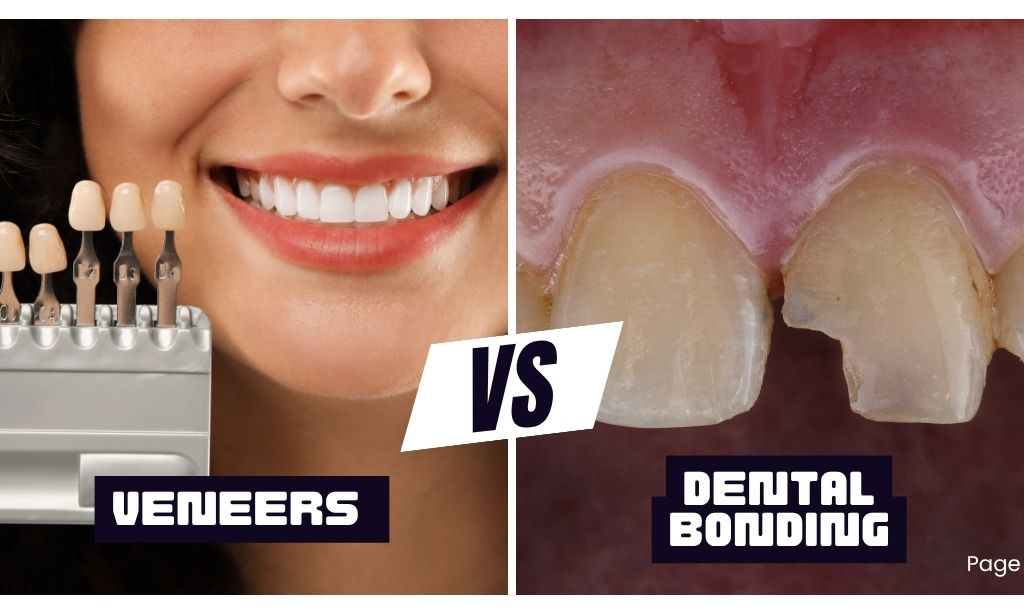
Want to improve your smile but not sure whether veneers or dental bonding is right for you? You’re not alone. Both treatments can improve the appearance of teeth, close small spaces, and create a more balanced smile, but they work in different ways and may be better suited to different dental needs. At Dentistry @ Erin Mills, both veneers and bonding are part of cosmetic dentistry options used to improve the shape and colour of teeth. The right choice depends on your individual smile, goals, dental condition, and your dentist's recommendation. Veneers vs. Dental Bonding: What’s the Difference? The easiest way to understand the difference is to look at how each treatment changes the appearance of your teeth. What Are Dental Veneers? Veneers are thin, custom-made coverings designed to improve the visible surface of teeth. They can be used to address several cosmetic concerns and create a more uniform, polished smile. Veneers may be considered for concerns such as: Tooth discoloration Uneven tooth shape Small gaps between teeth Worn-looking enamel Minor cosmetic imperfections Because veneers can address several concerns at once, they can be an option for patients looking for a more comprehensive smile transformation. What Is Dental Bonding? Dental bonding uses a tooth-coloured composite material that is shaped and applied to the tooth to improve its appearance. It can be particularly useful for smaller cosmetic imperfections. Dental bonding may help with: Small chips or cracks Minor gaps Uneven edges Slight changes in tooth shape Localized cosmetic concerns Dentistry @ Erin Mills notes that both veneers and bonding can provide aesthetic improvements for concerns such as spacing, tooth shape, and colour. The appropriate option depends on the individual case. Veneers or Bonding: Which One Is Better? There isn’t a universal winner. The best cosmetic dental treatment is the one that matches your specific needs. Several factors can influence the decision, including the condition of your teeth, the number of teeth you want to improve, your cosmetic goals, and the type of result you’re looking for. Which Treatment Is Right for Your Smile? Choosing between veneers and dental bonding shouldn’t be based solely on price, photos, or what worked for someone else. Your teeth are unique, and your treatment should be personalized accordingly. A professional dental consultation can help determine whether bonding, veneers, or another cosmetic dentistry treatment would better address your concerns. Dentistry @ Erin Mills offers cosmetic dentistry services including teeth whitening, veneers or bonding, gum reshaping, and Invisalign, allowing treatment to be tailored to individual smile goals. Ready to Explore Your Options? A better smile doesn’t necessarily mean a complicated treatment plan. Sometimes, a small cosmetic change can make a noticeable difference. Other times, a more comprehensive approach may be appropriate. At Dentistry @ Erin Mills, our experienced dental team has provided personalized oral healthcare over decades, with a focus on professional, welcoming, patient-centred care. Ready to find out whether veneers or dental bonding is right for you? Book an appointment with Dentistry @ Erin Mills and take the first step toward a smile you feel confident sharing.
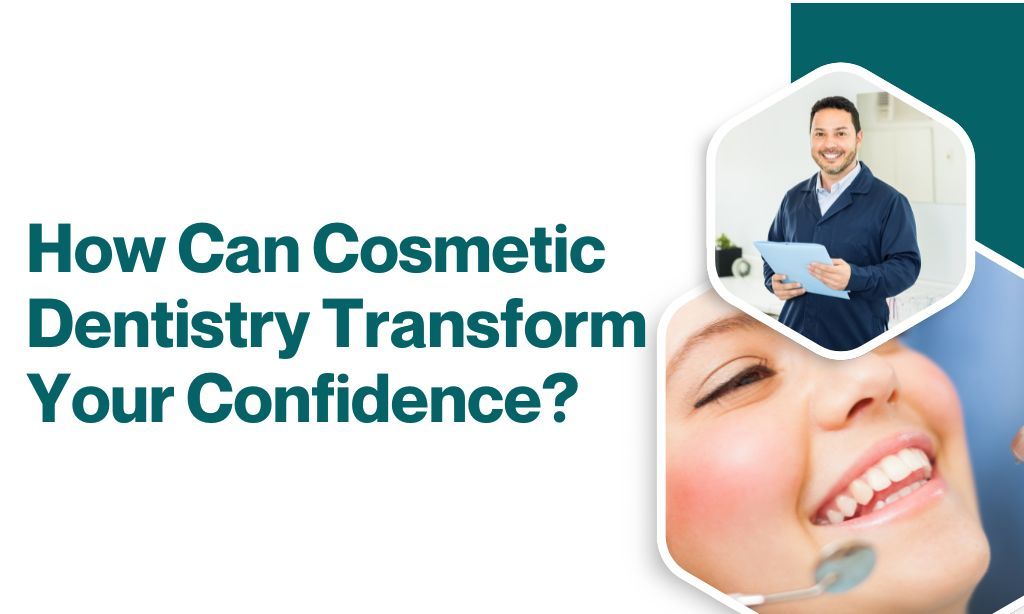
A confident smile is more than just an attractive feature. It’s a powerful tool that influences first impressions, personal relationships, and professional success. If you find yourself hiding your smile because of stained, chipped, crooked, or uneven teeth, cosmetic dentistry could be the life-changing solution you’ve been looking for. What Is Cosmetic Dentistry? Cosmetic dentistry focuses on improving the appearance of your teeth, gums, and overall smile. While many treatments also improve oral health, the primary goal is to enhance aesthetics and restore confidence. Popular cosmetic dental procedures include: Teeth whitening for removing stubborn stains Porcelain veneers to correct chips, gaps, and discoloration Dental bonding for minor repairs Invisalign or clear aligners for straighter teeth Dental crowns for restoring damaged teeth Gum contouring for a balanced smile Complete smile makeover tailored to your facial features Each treatment plan is customized to match your unique goals and dental needs. Top Ways Cosmetic Dentistry Boosts Your Confidence. Here are some of the top ways cosmetic dentistry can help boost your confidence. Creates a Brighter, More Youthful Smile. Fixes Imperfections That Affect Self-Esteem Improves Smile Symmetry Encourages Better Social Interactions Most Popular Cosmetic Dentistry Treatments. Cosmetic dentistry offers a wide range of treatments designed to address different smile concerns. Whether you're looking for a quick enhancement or a complete smile makeover, there's a solution tailored to help you achieve your ideal smile. Professional Teeth Whitening: Perfect for removing years of stains safely and effectively, delivering noticeable results in just one appointment. Porcelain Veneers: Thin, custom-made shells are placed over the front surfaces of the teeth to address multiple cosmetic concerns simultaneously. Ideal for: Discolored teeth Small gaps Worn enamel Uneven shapes Minor misalignment Invisalign Clear Aligners: A discreet alternative to traditional braces that gradually straightens teeth without metal brackets. Dental Bonding: An affordable cosmetic option that repairs chips, cracks, and gaps using tooth-colored composite resin. Smile Makeover: A comprehensive treatment plan combining multiple cosmetic procedures to achieve your dream smile. Tips to Maintain Your New Smile. After investing in cosmetic dentistry, maintaining your results is essential. Follow these simple habits: Brush twice daily using fluoride toothpaste. Floss every day Visit your dentist for regular checkups. Avoid smoking and the use of tobacco products. Limit coffee, tea, and dark-colored beverages. Wear a night guard if you grind your teeth. Consistent care helps your smile stay beautiful for years. Choose Dentistry at Erinmills for Your Smile Transformation. We believe every patient deserves a smile they can wear with confidence. Our experienced team combines advanced cosmetic dentistry techniques with personalized treatment plans to deliver natural-looking, long-lasting results. Whether you’re looking for a simple teeth whitening treatment or a complete smile makeover, we’re here to help you achieve the smile you’ve always wanted. Book your consultation today and take the first step toward the bright, beautiful smile you deserve.

Canada Day is all about celebrating with family, friends, and community. From outdoor concerts and neighbourhood festivals to fireworks displays and backyard gatherings, the holiday is filled with excitement. Of course, no Canada Day celebration is complete without sweet treats, refreshing beverages, and festive foods. While you’re planning your long weekend activities, it’s also worth thinking about your oral health. A healthy smile can help you enjoy every aspect of the celeberation, from indulging in your favourite desserts to posing for family photos. Why Your Teeth Need Attention Before the Holiday? Busy schedules often cause people to postpone dental appointments, but holidays can be one of the best times to prioritize preventive care. A routine dental visit allows your dentist to identify small issues before they become larger problems that could interfere with your plans. Benefits of a pre-Canada Day dental checkup include: Early detection of cavities and tooth decay Professional removal of plaque and tartar buildup Evaluation of gum health Fresh breath and cleaner teeth Reduced risk of unexpected dental discomfort Greater confidence in your smile Sweet Treats Can Take a Toll on Your Smile. Canada Day celebrations often feature sugary snacks, desserts, and beverages. While enjoying these treats in moderation is perfectly fine, frequent sugar exposure can increase the risk of tooth decay. To help protect your smile during the holiday: Drink water throughout the day to help rinse away food particles Limit continuous snacking on sugary foods Brush twice daily with fluoride toothpaste Floss regularly to remove debris between teeth Consider choosing healthier snack options when possible Taking a few simple precautions can help you enjoy your favorite Canada Day treats while supporting your oral health. A Bright Smile Makes Every Celebration Better. Whether you are attending a family barbecue, watching fireworks with friends, or participating in community events, a confident smile can make a big difference. Professional dental cleanings remove surface stains and buildup that may dull the appearance of your teeth. Many patients notice that their smiles look cleaner and brighter immediately after a routine cleaning. A healthy smile can also boost self-confidence, making it easier to laugh, talk, and enjoy social interactions throughout the holiday weekend. If you’re considering cosmetic treatments such as teeth whitening, a pre-holiday consultation can help you explore your options and determine what may work best for your goals. Final Note. As you prepare for sweet treats, live music, fireworks, and family gatherings this Canada Day, don’t forget to make your oral health part of the plan. A healthy smile helps you enjoy every moment with confidence and comfort. At Dentistry @ Erin Mills , patients receive personalized dental care designed to support long-term oral health for the entire family. From routine checkups and professional cleanings to cosmetic and restorative treatments, our experienced team is committed to helping you achieve a bright, healthy smile that’s ready for every celebration.
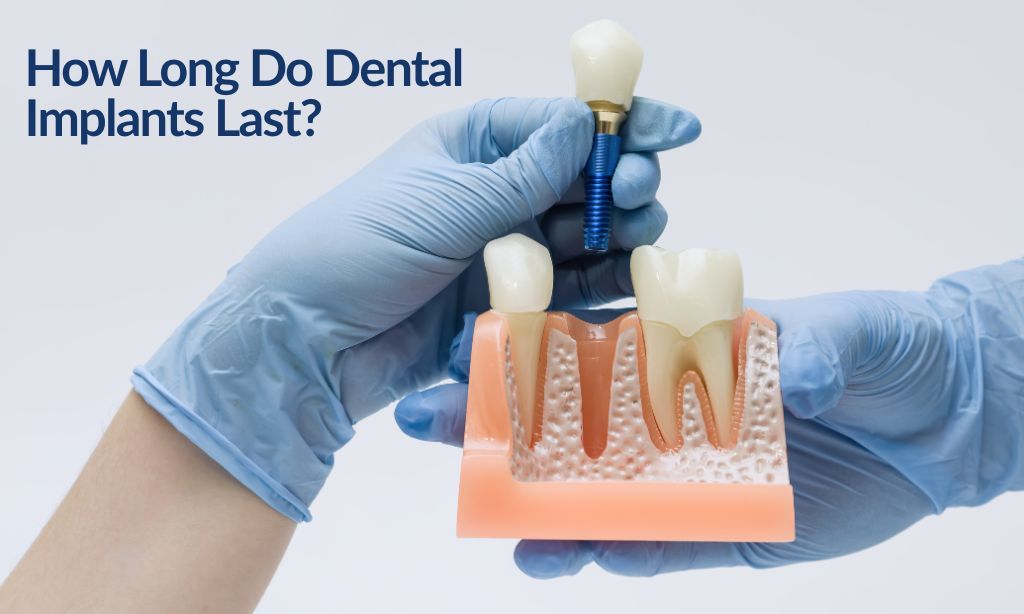
Dental implants have become one of the most trusted and long-lasting solutions for replacing missing teeth. They look natural, feel comfortable, and help restore both confidence and oral function. But one of the most common questions patients ask is: How long do dental implants actually last? The good news is that with proper care and maintenance, dental implants can last for decades, and in many cases, even a lifetime. At Dentistry @ Erin Mills , we help patients achieve healthy, lasting smiles with high-quality dental implant solutions designed for comfort, durability, and long-term success. What Is the Average Lifespan of Dental Implants? Dental implants are designed to be a permanent tooth replacement option. The implant is typically made of titanium and is surgically placed into the jawbone, which acts like an artificial tooth root. Here’s What Typically Lasts: Dental implant post: 20+ years or even a lifetime Dental crown: Usually 10–15 years before replacement may be needed Properly maintained implants: Can remain stable for decades Unlike dentures or bridges, implants integrate with the jawbone, making them incredibly durable and reliable. What Factors Affect the Lifespan of Dental Implants? While dental implants are highly successful, their longevity depends on several important factors. Key Factors That Influence Implant Lifespan: Daily oral hygiene habits Smoking or tobacco use Gum health and bone density Teeth grinding (bruxism) Overall health conditions like diabetes Patients who maintain excellent oral care routines typically experience the best long-term results. Signs Your Dental Implant Is Healthy: Healthy dental implants should feel stable, comfortable, and function just like natural teeth. Signs of a Successful Implant: No pain or discomfort Healthy surrounding gums No looseness or movement Comfortable chewing and speaking Natural appearance Can Dental Implants Fail? Although dental implants have a very high success rate, complications can occur if proper care is neglected. Common Causes of Implant Failure: Gum infection Poor oral hygiene Smoking Bone loss around the implant Excessive pressure from grinding teeth Early detection and treatment can often prevent serious complications and protect the implant. How to Make Dental Implants Last Longer? The best way to extend the life of your dental implants is through consistent oral care and professional maintenance. Are Dental Implants Worth It? Many patients choose dental implants because they offer long-term stability, convenience, and aesthetics compared to other tooth replacement options. While implants may require a higher upfront investment, their longevity often makes them one of the most cost-effective solutions over time. Invest in a Smile That Lasts: Dental implants is one of the most durable and reliable ways to restore missing teeth. With proper care and regular dental visits, they can provide decades of comfort, function, and confidence. At Dentistry @ Erin Mills , our experienced dental team is committed to helping patients achieve strong, healthy smiles with advanced implant dentistry solutions tailored to their individual needs. Whether you’re considering dental implants for the first time or want to maintain your current restoration, we’re here to support your long-term oral health journey every step of the way.
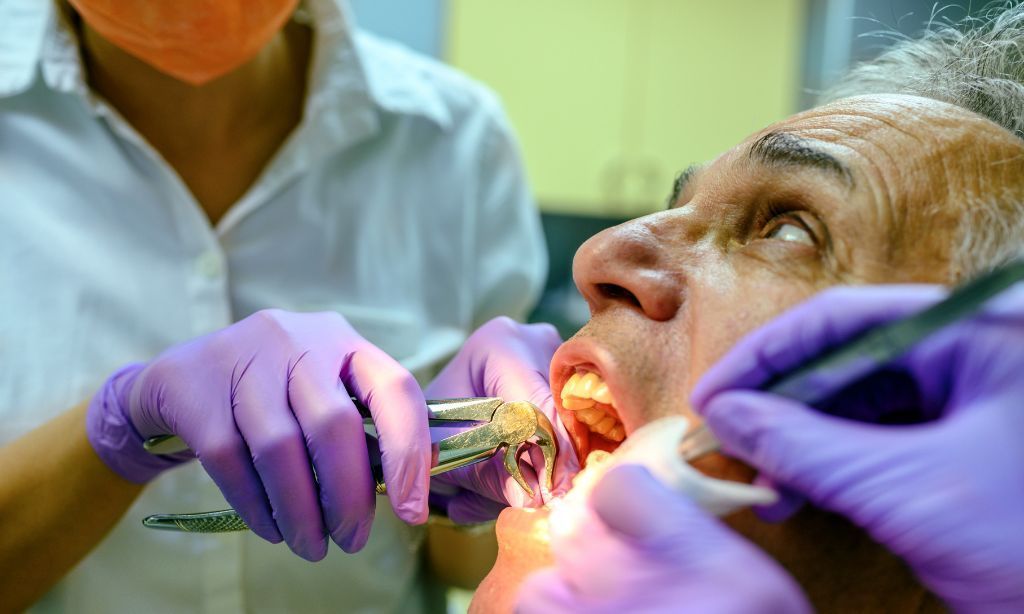
The thought of a tooth extraction can feel overwhelming—but with the right dental team and proper guidance, it’s a smooth and manageable process. Whether it’s due to severe decay, damage, or wisdom tooth issues, understanding what happens before and after extraction can help ease anxiety and ensure faster recovery. At Dentistry @ Erin Mills, patient comfort and care are always the top priority, especially for procedures like extractions. 🦷 Why Do You Need a Tooth Extraction? Tooth extraction is usually recommended when a tooth cannot be saved. Common reasons include: Severe tooth decay or infection Impacted or problematic wisdom teeth Overcrowding before orthodontic treatment Broken or damaged teeth beyond repair Modern dental clinics use advanced techniques and sedation options to ensure a comfortable and stress-free experience. Before the Procedure: What to Expect? Preparation plays a key role in ensuring your extraction goes smoothly. Here’s what typically happens: Dental Examination: Your dentist will assess your teeth and overall oral health. X-rays: To understand the position of the tooth and roots. Discussion of Options: Including anesthesia or sedation (like nitrous oxide) for comfort. Medical History Review: To ensure safe treatment. Tip: Follow your dentist’s instructions carefully—especially regarding eating or medications before the procedure. During the Extraction: The procedure itself is quicker than most people expect. Local anesthesia is used to numb the area. The dentist gently loosens and removes the tooth. In complex cases (like wisdom teeth), a minor surgical approach may be used. Thanks to modern dentistry, patients usually feel pressure rather than pain during the procedure. Dentistry@ Erinmills focus heavily on comfort, using sedation when needed to reduce anxiety. After the Extraction: Recovery Tips. Post-care is crucial for proper healing. Here’s what you can expect: ✔️ Immediately After: Mild bleeding is normal. Gauze is placed to control bleeding. Rest is recommended for the first 24 hours. ✔️ In the First Few Days: Slight swelling and discomfort may occur. Stick to soft foods like yogurt, soup, or smoothies. Avoid using straws or smoking. (As it can delay healing) Important Aftercare Tips: Follow these simple steps for a faster, smoother recovery: Apply ice packs to reduce swelling. Keep the extraction site clean (but avoid vigorous rinsing). Take prescribed medications as directed. Avoid hard or crunchy foods. Attend follow-up appointments if recommended. Proper aftercare help prevent complications like dry socket and ensures optimal healing. ✨ Final Thoughts: Tooth extraction doesn’t have to be stressful when you know what to expect. With proper preparation, expert care, and the right aftercare routine, you can recover quickly and comfortably. At Dentistry @ Erin Mills, patients receive compassionate, personalized care backed by over 40 years of experience in comprehensive dental services. From routine treatments to advanced procedures like extractions and oral surgery, their team ensures every visit is comfortable, professional, and tailored to your needs. If you’re looking for trusted dental care, book your appointment today and take the first step toward a healthier smile. ✨
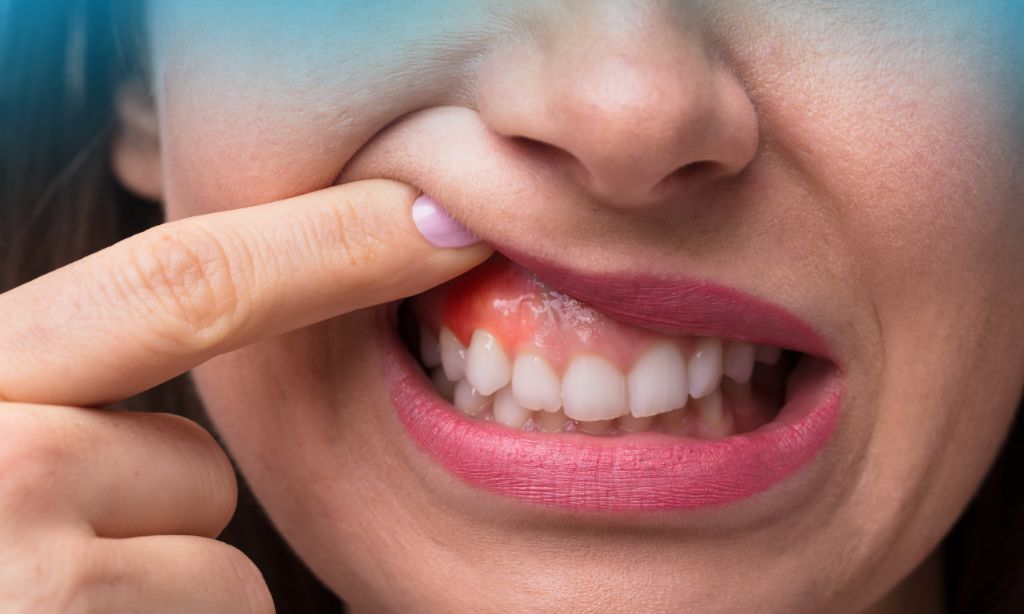
Healthy gums are the foundation of a confident smile, yet gum disease remains one of the most common oral health problems worldwide. In 2026, advances in dental technology and preventive care have made it easier than ever to detect and treat gum disease early. However, many people still ignore the warning signs until the condition becomes more serious. Understanding the early symptoms and modern treatment options can help you protect your gums and maintain long-term oral health. What Is Gum Disease? Gum disease, also known as Periodontal Disease, occurs when bacteria build up around the gum line, leading to inflammation and infection. It typically begins as mild gum irritation and can progress to more severe stages if not treated promptly. If left untreated, gum disease can damage the tissues that support your teeth and even lead to tooth loss. Early Warning Signs You Shouldn’t Ignore: Catching gum disease early makes treatment simpler and more effective. Watch for these key warning signs: Red or swollen gums – Healthy gums should be firm and pink. Redness and swelling often signal inflammation. Bleeding while brushing or flossing – Occasional bleeding may seem harmless, but frequent bleeding can be a sign of gum disease. Persistent bad breath – Bacteria trapped around the gums can cause ongoing bad breath. Receding gums – Teeth may appear longer as the gum tissue slowly pulls away. Sensitive teeth – Gum recession can expose sensitive tooth roots. Loose teeth or shifting bite – In advanced cases, gum disease can weaken the bone supporting the teeth. If you notice any of these symptoms, it’s important to schedule a dental checkup as soon as possible. Modern Gum Disease Treatments in 2026: Thanks to new technologies and improved dental techniques, treating gum disease has become more comfortable and effective. Some of the modern treatment options include: Deep cleaning (scaling and root planing): This professional cleaning removes plaque and tartar below the gum line and smooths the tooth roots to help the gums heal. Laser gum therapy: Dental lasers can remove infected tissue with greater precision and less discomfort compared to traditional methods. Antibacterial treatments: Advanced antimicrobial rinses and localized medications help eliminate harmful bacteria. Regenerative procedures: In more advanced cases, dentists can encourage bone and tissue regeneration to restore gum health. Preventive maintenance plans: Customized cleaning schedules and oral care routines help keep gum disease from returning. These treatments allow dentists to address gum disease earlier and with minimal discomfort for patients. How to Protect Your Gums? Prevention is still the best defence against gum disease. Here are a few simple habits that make a big difference: Brush your teeth twice daily with fluoride toothpaste. Floss regularly to remove plaque between teeth. Maintain regular dental checkups and cleanings. Eat a balanced diet and limit sugary snacks. Avoid smoking or tobacco use. Consistent oral care combined with professional dental visits can significantly reduce the risk of gum disease. Protect Your Smile with Expert Care. Gum disease may start quietly, but early detection and modern treatment can stop it before it becomes serious. Staying aware of the warning signs and seeking timely dental care is essential for protecting your smile and overall health. At Dentistry at Erin Mills , patients receive advanced dental care focused on prevention, early diagnosis, and modern treatment solutions. Our experienced team uses the latest dental technology to help patients maintain healthy gums and confident smiles for years to come. If you’re experiencing symptoms of gum disease or simply want to stay proactive about your oral health, the professionals at Dentistry at Erin Mills are ready to help you keep your smile strong and healthy. 🦷✨
Winter brings cozy sweaters, warm drinks, and festive treats — but it can also bring unexpected challenges for your oral health. Cold temperatures, dry indoor air, and sugary seasonal snacks can all impact your teeth and gums. If you want to keep your smile healthy and bright all season long, here are essential winter dental care tips you shouldn’t ignore. 1. Protect Sensitive Teeth from Cold Air: Tooth sensitivity often feels worse in winter. Cold air can trigger sharp discomfort, especially if you already have worn enamel or exposed roots. What you can do: Use a toothpaste designed for sensitive teeth. Avoid breathing in cold air directly through your mouth. Keep up with regular dental checkups. Don’t ignore sudden or severe sensitivity. Persistent sensitivity may indicate cavities or gum recession that need professional attention. 2. Stay Hydrated (Even When It’s Cold): In winter, we naturally drink less water. Add indoor heating, and dry mouth becomes more common. Saliva plays a key role in washing away bacteria and neutralizing acids. To protect your oral health: Drink plenty of water throughout the day. Limit sugary hot drinks. Chew sugar-free gum to stimulate saliva. Hydration supports both healthy teeth and healthy gums. 3. Be Mindful of Seasonal Drinks: Hot chocolate, flavored lattes, and holiday bevrages may feel comforting — but they often contain high levels of sugar. Frequent sipping can increase your risk of tooth decay. Smart winter habits include: Rinsing your mouth with water after sweet drinks Using a straw when possible Waiting 30 minutes before brushing after acidic beverages Choosing lower-sugar alternatives Small changes can make a big difference. 4. Watch Out for Sugary Holiday Treats: From cookies to candies, winter celebrations often come with extra sugar. Sticky sweets are especially harmful because they cling to teeth and feed bacteria. Protect your smile by: Enjoying sweets in moderation Brushing and flossing daily Scheduling a professional cleaning after the holiday season Consistency is key when it comes to cavity prevention. 5. Don’t Skip Routine Dental Visits: Busy schedules and bad weather can make it tempting to postpone dental appointments. However, winter is actually a great time to stay on track with preventive care. Regular checkups help: Catch cavities early Prevent gum disease Address sensitivity issues Maintain long-term oral health Preventive dentistry is always easier than restorative treatment. Keep Your Smile Healthy All Winter Long: Winter may challenge your routine, but your oral health shouldn’t take a break. By staying hydrated, limiting sugar, protecting sensitive teeth, and maintaining regular dental visits, you can prevent common seasonal dental problems. Healthy winter habits today lead to a confident, bright smile all year round. If you’re experiencing tooth sensitivity, gum discomfort, or simply need your routine cleaning, book a dental appointment with us, and we can help keep your smile protected through every season.
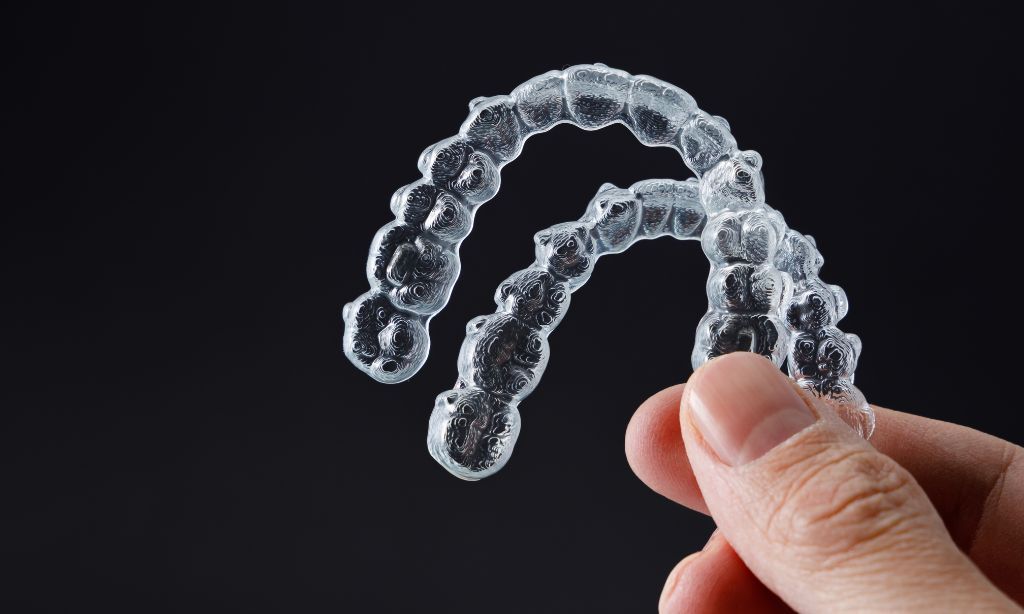
A new year often inspires positive change, and 2026 could be the perfect time to invest in a straighter, more confident smile. If you’ve been thinking about orthodontic treatment but hesitated because of traditional braces, Invisalign may be the solution you’ve been waiting for. With advanced clear aligner technology and a lifestyle-friendly approach, Invisalign remains one of the most popular choices for adults and teens seeking discreet teeth straightening. Invisalign uses a series of custom-made, clear aligners that gradually move your teeth into proper alignment. These aligners are virtually invisible, removable, and designed to fit comfortably into your daily routine. Starting the year with Invisalign means you’re not just improving your smile—you’re also investing in better oral health. Why Consider Invisalign in 2026? Modern lifestyles demand convenience, and Invisalign delivers just that. The technology behind aligners has improved significantly, making treatment more precise and effective than ever before. Important benefits of Invisalign include: Nearly invisible appearance: Clear aligners let you straighten your teeth without drawing attention, making them ideal for professionals and social settings. Comfortable fit: Smooth plastic aligners reduce irritation to gums and cheeks compared to metal brackets and wires. Removable convenience: You can take aligners out while eating, drinking, brushing, and flossing—no food restrictions required. Improved oral hygiene: Easy removal allows better brushing and flossing, lowering the risk of cavities and gum disease during treatment. Predictable results: Digital treatment planning shows how your smile will progress, helping you understand your results before you begin. Time-efficient treatment: Many Invisalign cases are completed in less time than traditional braces, depending on individual needs. Is Invisalign Right for You? Invisalign can effectively treat crowded teeth, gaps, overbites, underbites, and crossbites. However, a professional consultation is essential to determine if aligners are the best option for your specific case. Commitment is key—wearing aligners for 20–22 hours a day ensures optimal results. Starting Invisalign at the beginning of the year can help you stay consistent and motivated. As the months progress, you’ll notice steady improvements that boost both your smile and your confidence—just in time to celebrate milestones throughout 2026. Make 2026 the Year You Smile More: Choosing Invisalign is a decision that goes beyond aesthetics—it supports better alignment, easier cleaning, and long-term oral health. At Dentistry at Erinmills, we specialize in personalized Invisalign treatment plans designed to fit your goals and lifestyle. Our experienced team is here to guide you every step of the way, from your initial consultation to your final confident smile. Start 2026 strong with us and take the first step toward the straighter teeth you’ve always wanted.